
What Is Himalayan Mad Honey? A Guide to This Rare Honey Experience
Himalayan mad honey has been gaining attention for its unique origin, distinctive flavour, and long history of traditional use. Unlike everyday honey, this variety comes from a very specific botanical source and environment — which is exactly what makes it different.
Where Himalayan Mad Honey Comes From
Himalayan mad honey is produced in high-altitude regions of the Himalayas, particularly in parts of Nepal and neighbouring mountain ranges. It is made by bees that forage on wild rhododendron flowers, which grow naturally in remote, mountainous terrain with minimal agricultural interference.
This rare floral source is central to mad honey’s identity, influencing not only how it tastes, but why it has historically been treated with intention and respect.
Why It’s Called “Mad Honey”
The term mad honey refers to honey that contains trace, naturally occurring plant compounds derived from rhododendron nectar. These compounds are not found in standard honey varieties and are the reason mad honey has been referenced for centuries in Himalayan traditions.
Today, interest in mad honey is driven by:
- Its cultural and historical significance
- Its rare and region-specific sourcing
- A flavour profile that stands apart from conventional honey
The Role of Wild Rhododendron Flowers
Wild rhododendron flowers — particularly Rhododendron arboreum (commonly known as Buransh or Laligurans in Himalayan regions) — are highly valued beyond their visual beauty.
These flowers are known for their rich phytochemical composition, containing naturally occurring antioxidants, flavonoids, and tannins. Because of this, they have long been used in traditional medicine and culinary applications throughout parts of the Himalayas.
Traditionally Associated Benefits of Rhododendron Flowers
In traditional contexts, rhododendron flowers have been used in small, intentional amounts and are commonly associated with the following wellness-supportive roles:
Heart & Circulatory Support
Traditional preparations made from rhododendron flowers have been used to support cardiovascular balance, including managing blood pressure and supporting overall heart function.
Anti-Inflammatory & Pain Relief Properties
The flowers are traditionally associated with anti-inflammatory and pain-reducing qualities and have been referenced in relation to joint discomfort, muscle soreness, rheumatism, gout, and arthritis.
Digestive Support
Rhododendron flower preparations have historically been used to help soothe digestive discomfort, including stomach aches and irregular digestion.
Respiratory Comfort
In Himalayan folk traditions, these flowers have been used to support respiratory wellness, particularly during periods of congestion or seasonal discomfort.
Metabolic & Blood Sugar Balance
Certain compounds found in Rhododendron arboreum have been studied for their potential role in metabolic balance, which is why the flower is often described as having nutraceutical value in traditional systems.
Liver & Immune Support
The flowers are also traditionally associated with liver protection and immune resilience, contributing to their reputation as a general wellness-supportive botanical.
Skin & Antioxidant Benefits
Due to their antioxidant content, rhododendron flowers have been used in teas and topical preparations linked to skin clarity, reduced inflammation, and overall skin health.
How Rhododendron Flowers Influence Mad Honey
When bees forage on wild rhododendron flowers, trace botanical compounds from the nectar naturally carry into the honey. This connection is what gives Himalayan mad honey its distinctive character — both in flavour and in why it has historically been consumed with moderation.
Rather than being treated as a casual sweetener, mad honey has traditionally been respected as something to be used intentionally.
What Makes the Flavour Different
Compared to everyday honey, Himalayan mad honey is often described as:
- Floral with herbal undertones
- Slightly earthy rather than overly sugary
- Less sharp or cloying
- More complex and longer-lasting on the palate
Many people are drawn to mad honey purely for this layered taste experience, even without interest in traditional uses.
Why Mad Honey Is Now Available in Gummies
Raw mad honey can be intense in both flavour and potency, which is why modern formats like gummies have become increasingly popular.
Gummies offer:
- Measured consistency
- Easy portion control
- A smoother, approachable experience
- No sticky mess or strong raw-honey aftertaste
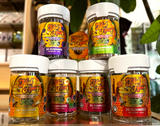
Products like Jolly Green Oil Himalayan Mad Honey Infused Gummies allow people to explore this traditional ingredient in a predictable, modern format while respecting its natural origin.
What People Look For in Mad Honey Products
While individual experiences vary, people are typically interested in Himalayan mad honey for:
- A naturally sweet carbohydrate source
- Moments of relaxation or grounding
- Gentle energy without synthetic stimulants
- Curiosity around rare, culturally rooted ingredients
As with traditional use, quality sourcing and moderation remain important.
A Modern Take on a Traditional Ingredient
Himalayan mad honey is not new — it has been part of mountain culture for generations. What is new is how it’s being introduced through thoughtfully crafted, portioned products designed for modern lifestyles.
Whether you’re exploring it for the flavour, the history, or the experience itself, mad honey gummies offer a way to connect with a rare Himalayan tradition in a familiar, convenient form.
*Traditional uses are based on historical and cultural practices. Individual experiences may vary. These products are not intended to diagnose, treat, or cure any medical condition.